



ATP Synthase
ATP synthases use a transmembrane electrochemical proton motive force (pmf) to generate adenosine triphosphate (ATP) from adenosine diphosphate (ADP) and inorganic phosphate (Pi). The enzyme complex consists of two molecular motors positioned to oppose each other’s action on a shared rotor subcomplex. The membrane-embedded FO motor is driven by proton translocation across the membrane through two offset half channels while the soluble F1 motor is powered by ATP hydrolysis[1].
All Product Categories
-
ATP Synthase Related Products (95)
Related Products (95)

-
Antibodies (5)
-
Peonidin-3-O-galactoside chloride
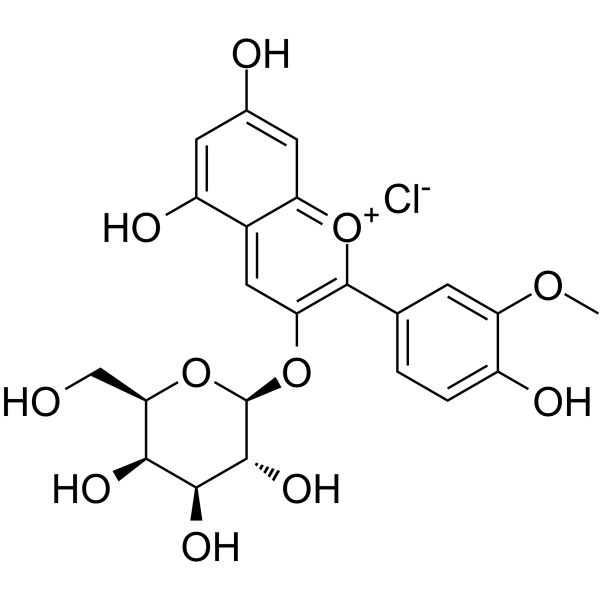 0 ImagesCat. No.: HY-126411CAS No.: 28148-89-2Peonidin-3-O-galactoside chloride is an anthocyanin with antioxidant properties and blood-brain barrier permeability. Peonidin-3-O-galactoside chloride inhibits pancreatic lipase, with an IC50 value of 23.2 μg/mL against porcine pancreatic lipase. Peonidin-3-O-galactoside chloride mediates neuroprotection, regulates glucose metabolism, protects cells from high glucose-induced damage, promotes glucose uptake and increases ATP production. Peonidin-3-O-galactoside (chloride) can be used in the research of obesity and neurodegenerative diseases.
-
Venturicidin A
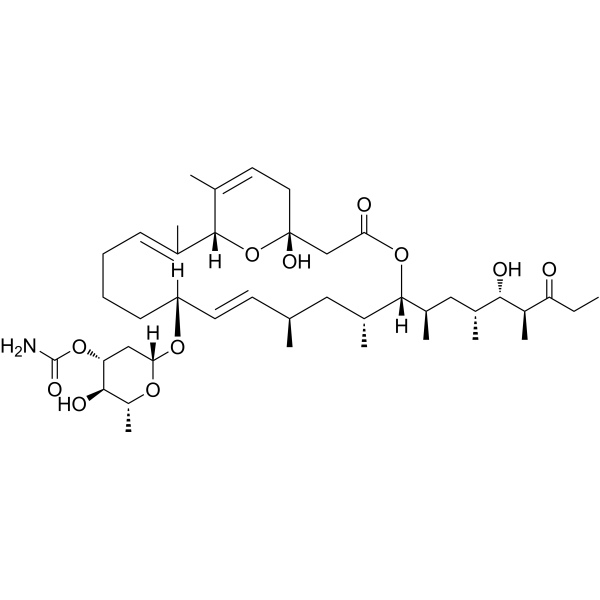 0 ImagesCat. No.: HY-N125722CAS No.: 33538-71-5Synonyms: Aabomycin A1Venturicidin A (Aabomycin A1) is a natural product derived from Streptomyces, possessing antifungal, anti-Trypanosoma brucei, anti-Leishmania donovani, and ATP synthase inhibitory activities. Venturicidin A acts as an antibiotic adjuvant, promoting the uptake of aminoglycoside antibiotics and enhancing bactericidal efficacy. Venturicidin A inhibits ATP synthesis by blocking proton translocation through the FO subunit. In bloodstream-form Trypanosoma brucei, Venturicidin A causes collapse of the mitochondrial membrane potential; in fungi, it disrupts cell membrane integrity, induces leakage of cytoplasmic contents, elevates ROS levels, and downregulates the expression of fungal pathogenicity-related genes. Venturicidin A exhibits antifungal activity against Botrytis cinerea. Venturicidin A is used in research on bacterial infections, trypanosome/leishmania infections, and gray mold disease.
-
Licoflavone B
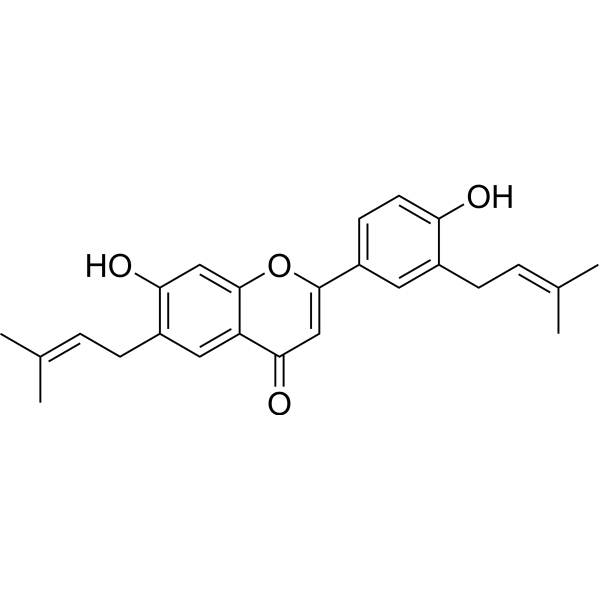 0 ImagesLicoflavone B is an orally active flavonoid, with IC50 values of 23.78 μM and 31.5 μM against SmATPase and SmADPase of Schistosoma mansoni, respectively. Licoflavone B selectively targets viral RdRp, inhibits viral replication, and reduces the expression levels of viral NP and PB2. Licoflavone B inhibits c-Myc expression and suppresses cancer cell proliferation. Licoflavone B disrupts the tegument of worms, reduces egg production, and induces the death of adult Schistosoma mansoni. Licoflavone B blocks the activation of the MAPK pathway, maintains colonic barrier integrity, inhibits colonic cell apoptosis, and reshapes the gut microbiota. Licoflavone B can be used in research related to influenza, multiple myeloma, schistosomiasis, and ulcerative colitis.
-
P259
 0 ImagesCat. No.: HY-P11005Purity: 99.75%P259 is a Drp1-Mff inhibitor. P259 distinguishes physiological from pathological fission by specifically inhibiting Drp1-Mff interaction. P259 elongates cell mitochondria and disrupts mitochondrial function and motility. P259 reduces ATP levels and alters mitochondrial structure in the brain, resulting in behavioral deficits in wild-type mice and a short lifespan in Huntington's disease (HD) mice model.

-
Dexpramipexole
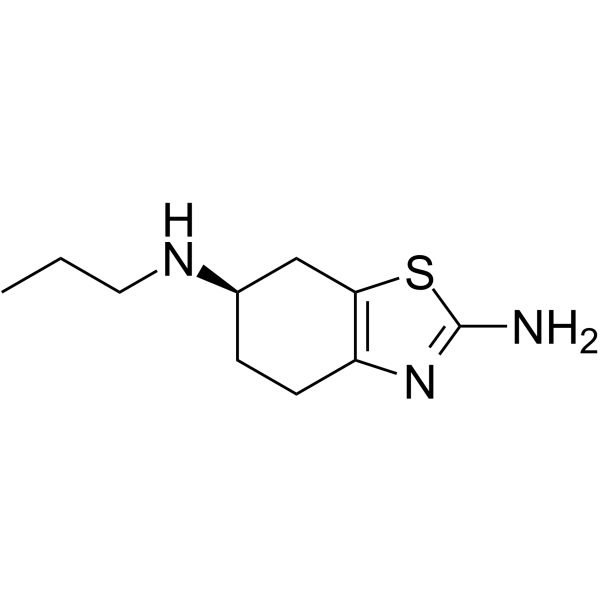 0 ImagesSynonyms: (R)-Pramipexole; R-(+)-Pramipexole; KNS-760704Dexpramipexole ((R)-Pramipexole) is an orally active, blood-brain barrier permeable mitochondrial protective agent. Dexpramipexole upregulates the expression of Parkin, PINK1, GPX4 and FSP1; binds to mitochondrial F1/Fo-ATP synthase; blocks the Nav1.8 sodium channel; and inhibits the activation of the NLRP3 inflammasome. Dexpramipexole induces mitophagy, inhibits ferroptosis, pyroptosis, apoptosis, neuroinflammation and eosinophilopoiesis; maintains mitochondrial function and redox homeostasis; reduces reactive oxygen species production; and decreases myocardial infarct size. Dexpramipexole is applicable to studies on eosinophilic asthma, myocardial ischemia/reperfusion injury, sepsis-associated encephalopathy, analgesia, and more.
-
Apoptolidin
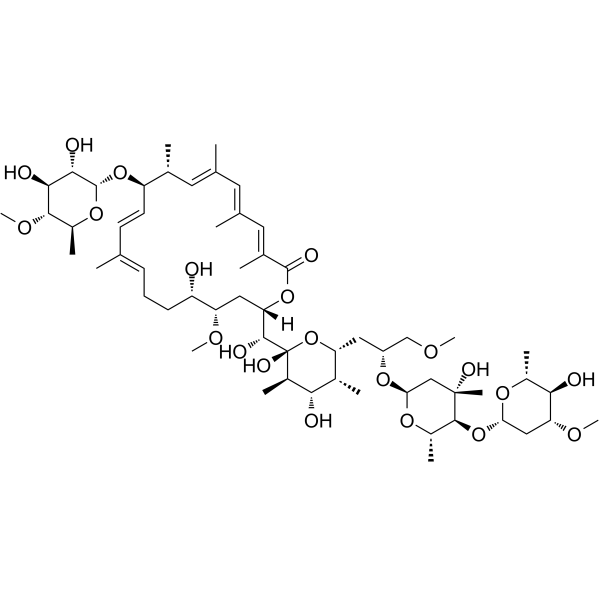 0 ImagesCat. No.: HY-126679CAS No.: 194874-06-1Apoptolidin is a polyketide isolated from Nocardiopsis bacteria. Apoptolidin is a selective mitochondrial F1FO ATPase inhibitor. Apoptolidin is an apoptosis inducer and induces apoptotic cell death in cells transformed with the adenovirus type 12 oncogenes including ElA (IC50=10-17 ng/ml) but not in normal cells.
-
Parimifasor
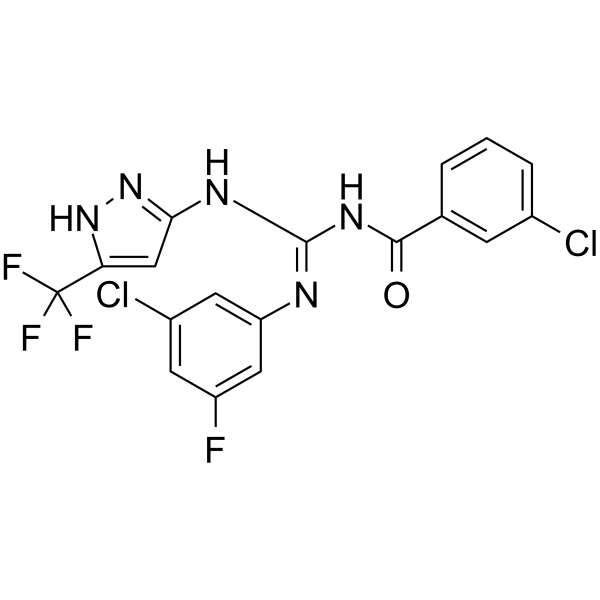 0 ImagesSynonyms: LYC30937Parimifasor (LYC-30937) is an orally active agent for inflammatory bowel disease. Parimifasor targets F1F0-ATPase. Parimifasor acts on respiratory complex V, slows ATP production and induces Apoptosis. Parimifasor can be used in the research of inflammatory bowel disease.
-
ATP synthase inhibitor 1
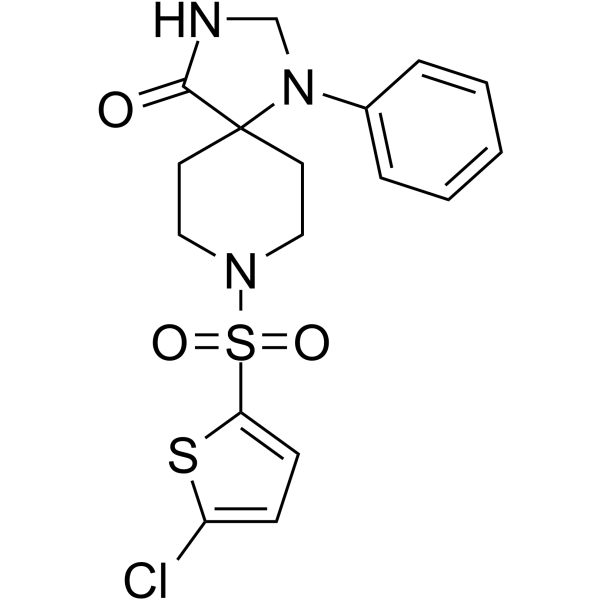 0 ImagesATP synthase inhibitor 1 is a potent inhibitor of c subunit of the F1/FO-ATP synthase complex, inhibits mitochondrial permeability transition pore (mPTP) opening, does not affect ATP levels.
-
ATPase-IN-2
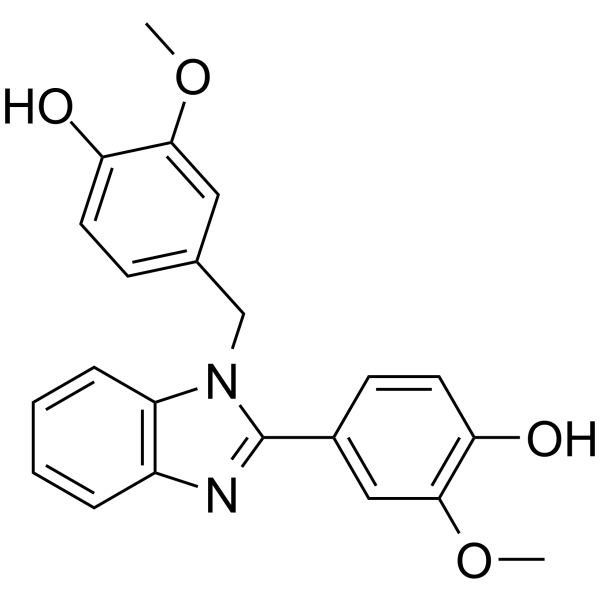 0 ImagesATPase-IN-2 is an ATPase inhibitor with an IC50 value of 0.9 μM. ATPase-IN-2 inhibits C. difficile toxin B (TcdB) glycohydrolase activity with an AC50 value of 30.91 μM. ATPase-IN-2 can be used for the research of ATP-related.
-
PROTAC EGFR degrader 15
 0 ImagesCat. No.: HY-175839Purity: 99.23%PROTAC EGFR degrader 15 is a Pomalidomide (HY-10984)-based Gefitinib (HY-50895) EGFR PROTAC degrader. PROTAC EGFR degrader 15 triggers EGFR degradation via ubiquitin-proteasome-dependent proteolysis and autophagy-lysosome activation pathways. PROTAC EGFR degrader 15 targets ETFA to enhance ATP production. PROTAC EGFR degrader 15 significantly suppresses tumor growth in a Gefitinib-acquired resistant HCC-827 xenograft model. PROTAC EGFR degrader 15 can be used for the study of non-small cell lung cancer (NSCLC).
-
Fudapirine
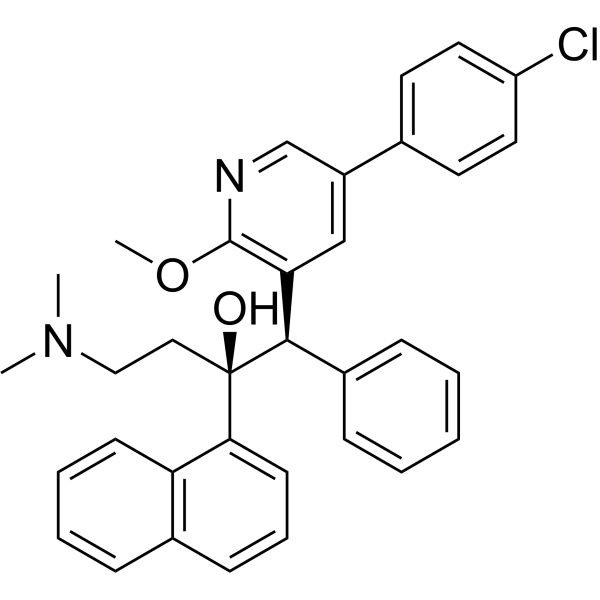 0 ImagesCat. No.: HY-146158CAS No.: 1859978-72-5Synonyms: WX-081; SudapyridineFudapirine (WX-081; Sudapyridine) is an orally active bactericidal agent that targets mycobacterial ATP synthase. Fudapirine induces mycobacterial death by inhibiting ATP synthesis, disrupting proton motive force and depleting bacterial energy. Fudapirine can be used in the research of tuberculosis and *Mycobacterium tuberculosis* infection.
-
D-Xylulose-13C5
 0 ImagesCat. No.: HY-W010256S3Purity: 99.0%D-Xylulose-13C5 is the 13C-labeled D-Xylulose (HY-W010256). D-Xylulose is a toxic pentose. D-Xylulose does not induce pentitol production in cells. D-Xylulose can induce ATP and intracellular Pi depletion through the accumulation of Sedoheptulose 7-P.
-
IPH5201
 0 ImagesCat. No.: HY-P991444Purity: 99.24%IPH5201 is a selective CD39 inhibitor and a humanized IgG1 monoclonal antibody. IPH5201 selectively binds to and inhibits the enzymatic activity of both membrane-bound and soluble CD39, blocking ATP hydrolysis. IPH5201 enhances the phenotypic maturation and activation of dendritic cells and macrophages. IPH5201 potentiates the anti-tumor effect of Oxaliplatin (HY-17371). IPH5201 shows preliminary evidence of disease stabilization in advanced solid tumor models when used as a single agent or in combination with Durvalumab (HY-P9919). IPH5201 can be used for the research of advanced solid tumors.
-
D-Xylulose-2-13C
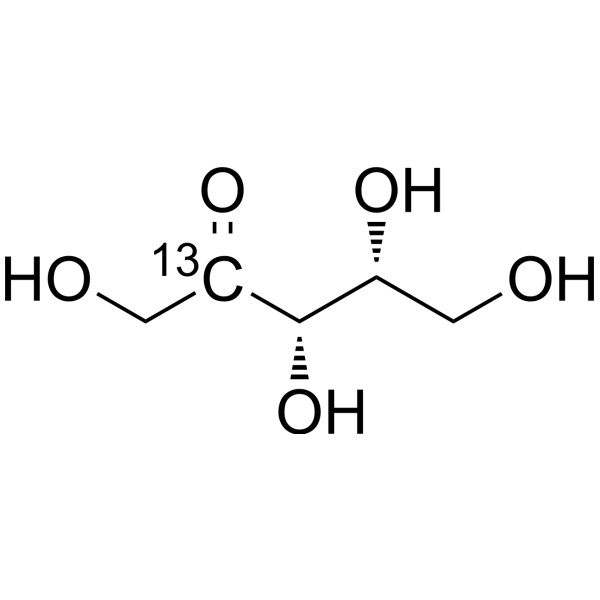 0 ImagesD-Xylulose-2-13C is the 13C-labeled D-Xylulose (HY-W010256). D-Xylulose is a toxic pentose. D-Xylulose does not induce pentitol production in cells. D-Xylulose can induce ATP and intracellular Pi depletion through the accumulation of Sedoheptulose 7-P.
-
Bongkrekic acid-13C28
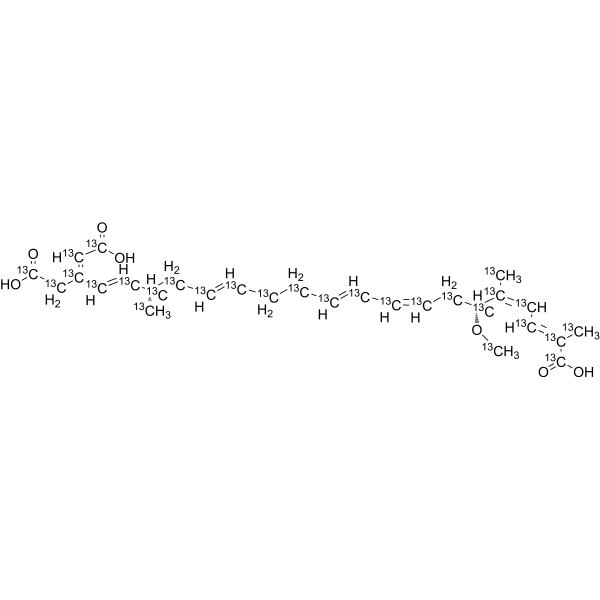 0 ImagesCat. No.: HY-136406SPurity: 98.0%Bongkrekic acid-13C28 is the 13C labeled Bongkrekic acid (HY-136406). Bongkrekic acid is a mitochondrial toxin secreted by the bacteria Pseudomonas cocovenenans. Bongkrekic acid specific ligand for mitochondrial adenine nucleotide translocase (ANT) rather than the electron transport chain. Bongkrekic acid has to cross the mitochondrial inner membrane to produce its inhibitory effect on ADP/ATP transport.
-
D-Xylulose-1-13C
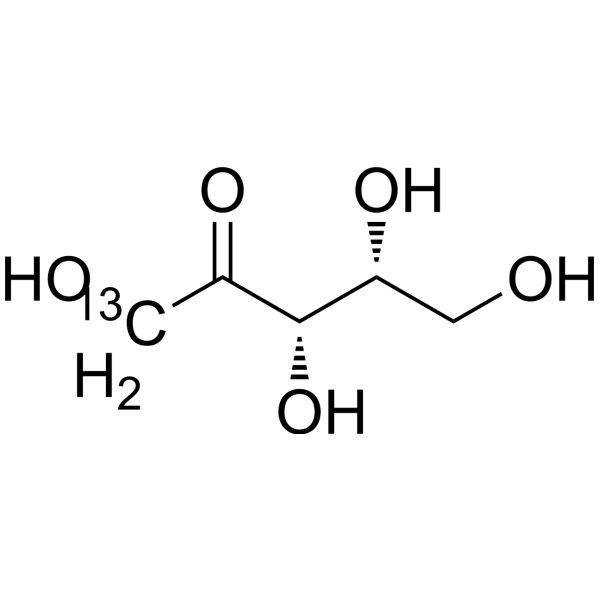 0 ImagesD-Xylulose-1-13C is the 13C-labeled D-Xylulose (HY-W010256). D-Xylulose is a toxic pentose. D-Xylulose does not induce pentitol production in cells. D-Xylulose can induce ATP and intracellular Pi depletion through the accumulation of Sedoheptulose 7-P.
-
Triciribine phosphate sodium
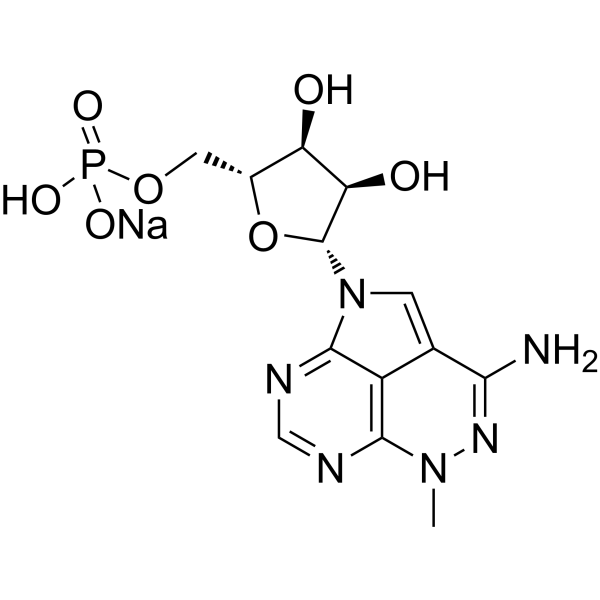 0 ImagesCat. No.: HY-10250APurity: 99.82%Synonyms: TCN-P sodiumTriciribine phosphate sodium inhibits amidophosphoribosyltransferase by an allosteric mechanism which affects the first committed step of de novo purine biosynthesis. Triciribine phosphate sodium also inhibits IMP dehydrogenase which is the first committed step of guanosine nucleotide synthesis. Tricilibine phosphate does not affect ligase activity.
-
D-α-Hydroxyglutaric acid-13C5 (disodium)
 0 ImagesD-α-Hydroxyglutaric acid-13C5 disodium is the 13C-labeled D-α-Hydroxyglutaric acid (HY-113038). D-α-Hydroxyglutaric acid ((R)-2-Hydroxyglutarate) is the principal metabolite accumulating in neurometabolic disease D-2-hydroxyglutaric aciduria. D-α-Hydroxyglutaric acid is a weak competitive antagonist of α-ketoglutarate (α-KG) and inhibits multiple α-KG-dependent dioxygenases with a Ki of 10.87 mM. D-α-Hydroxyglutaric acid increases reactive oxygen species (ROS) production. D-α-Hydroxyglutaric acid binds and inhibits ATP synthase and inhibits mTOR signaling.




